
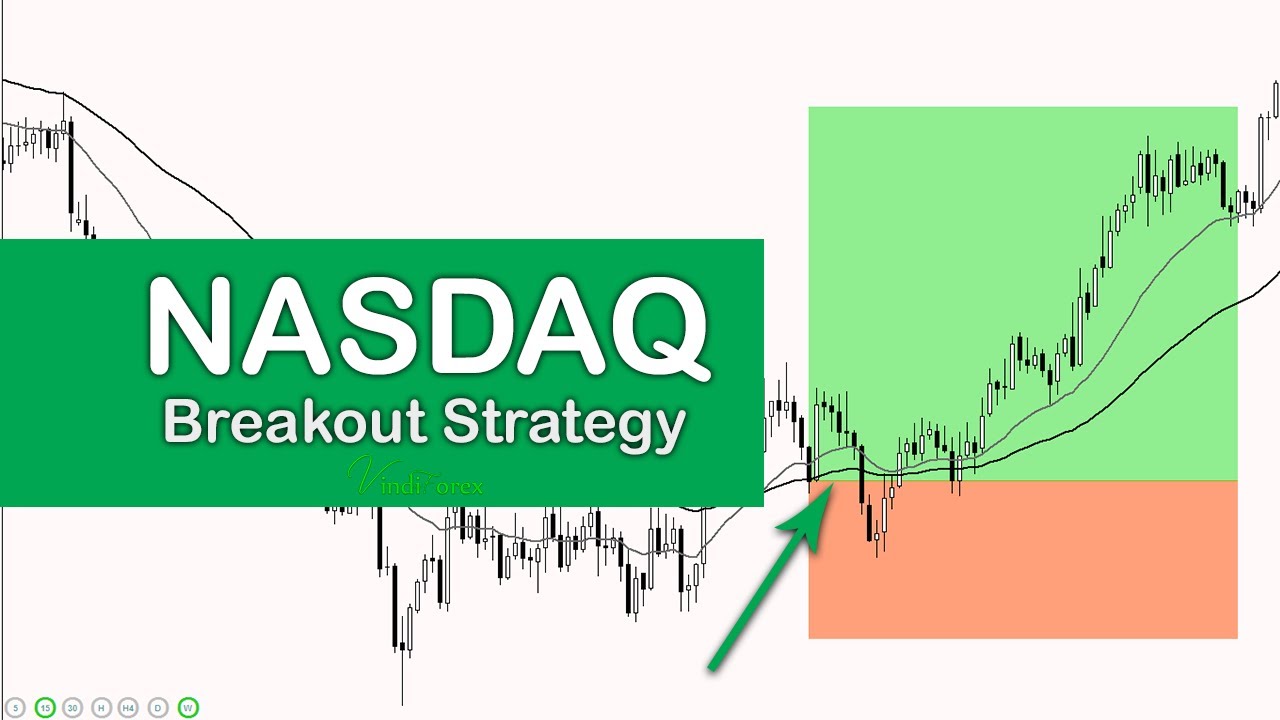
The NAS100 index CFD is a favourite for momentum traders on Zynex because US tech leadership creates extended directional moves with identifiable consolidation phases before continuation.
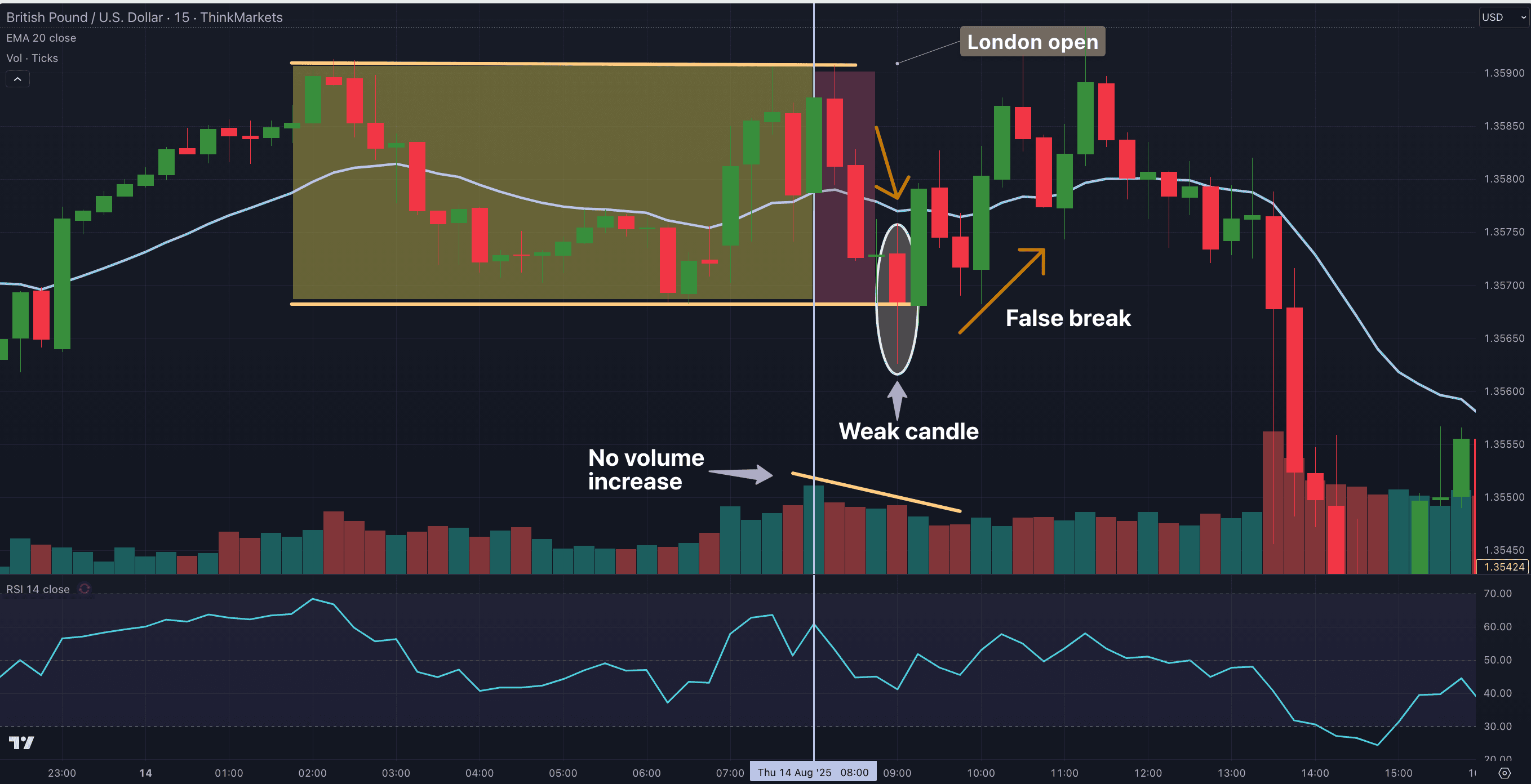
Momentum breakout trading does not predict — it reacts. You define a box, wait for price to exit with conviction, and manage risk if the break fails (false breakout).
Consolidation box rules
Mark at least 3 touches on upper and lower boundaries on 1H or 4H chart. Box duration: minimum 8–12 candles. Tighter boxes on daily chart = higher conviction when broken.
Entry checklist
- Daily trend aligned with breakout direction
- 4H close outside box (not intraday wick)
- Retest of broken boundary holds as support/resistance
- Stop inside box — if price re-enters, thesis invalid
- Target: box height projected from break point
Position sizing on volatile indices
NAS100 ATR exceeds EUR/USD significantly. Reduce lot size so stop distance in dollars equals your 1% risk budget — do not use the same lot size across asset classes on Zynex.
When momentum fails
False breaks are common before CPI, FOMC, and mega-cap earnings. Reduce size 50% on event days or trade after first 30-minute candle post-release when direction clarifies.
Related tools
Use price alerts on Zynex platforms to notify when price approaches box boundaries — avoids screen fatigue.
Trade smarter with Zynex
Open a CFD account for forex, indices, commodities, and crypto — competitive spreads, fast execution, and pro charting tools.