
Whether you are new to CFD trading or refining an existing approach, structure matters more than indicator count. The strategies below are widely used by retail and professional traders because they define when to act, where to place stops, and how much to risk — three essentials for longevity on any broker, including Zynex.
This overview connects five core approaches used across forex, index, commodity, and crypto CFDs on our platform. Each can be traded on web, mobile, or desktop with the same account. For deeper dives, see our dedicated strategy articles in the Trading Strategies category.
1. Trend following on higher timeframes
Identify the daily trend on instruments like NAS100 or EUR/USD. Enter on pullbacks to the 20 or 50-period moving average in the trend direction. Stop below the last swing low (longs) or above swing high (shorts). Target the next structural level.
Best for: swing traders, part-time traders who check charts 2–3× daily.
Avoid when: ADX low and price chops sideways for 10+ sessions.
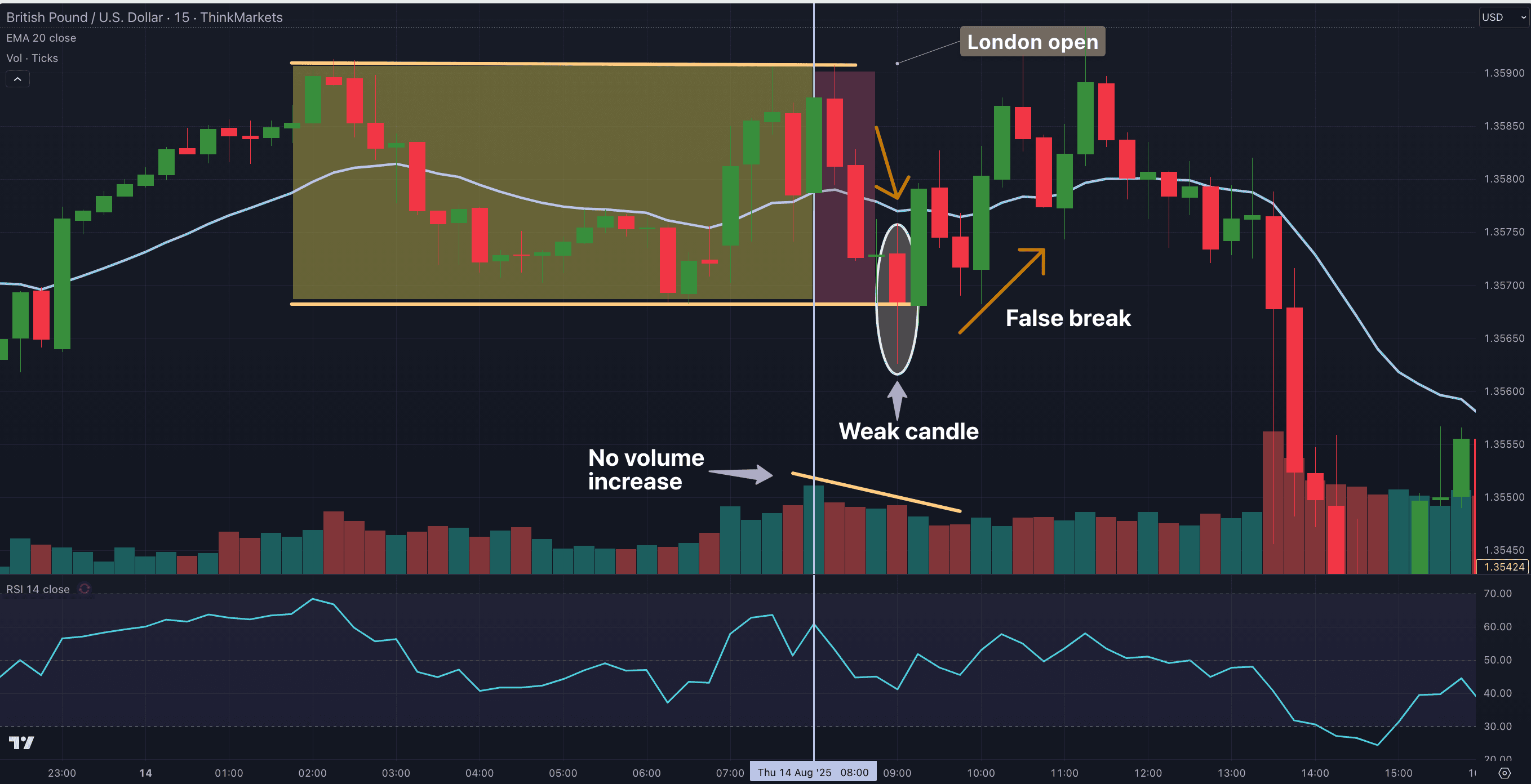
2. London breakout on forex CFDs
Mark the Asian session high and low on GBP/USD or EUR/USD. Trade the first clean breakout during London open with a stop inside the range. Works best when overnight range is tight and news risk is low.
Best for: day traders in European timezones.
Key rule: require candle close outside range — wicks alone are not breaks.
3. Support and resistance reversals
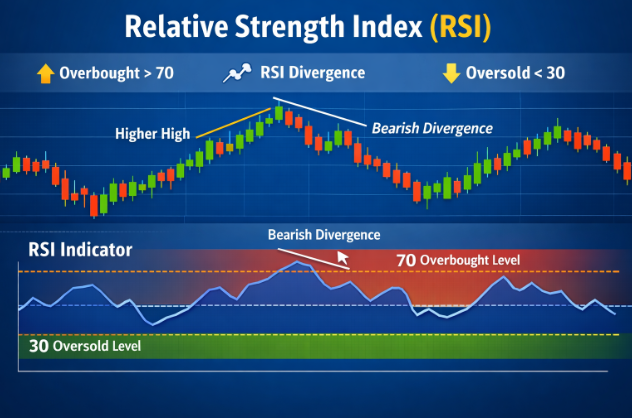
On gold or US30 CFDs, watch weekly levels. Look for rejection wicks or engulfing candles at support/resistance. Confirm with RSI divergence optional. Risk 1% per trade max.
Best for: patient traders who prefer fewer, higher-quality entries.
Invalidation: daily close beyond the level — exit without negotiation.
4. Crypto momentum bursts
On BTC/USD and ETH/USD CFDs, trade breakouts above consolidation after volume expansion. Use wider stops proportional to ATR. Reduce size during high-volatility headlines.
Best for: traders active during US hours when crypto correlates with risk assets.
Warning: do not chase vertical green candles without pullback plan.
5. Mean reversion in ranges
When ADX is low and price oscillates between defined boundaries, sell near resistance and buy near support with tight stops beyond the range. Exit at mid-range or opposite boundary.
Best for: low-trend environments on EUR/USD and index CFDs.
Stop trading when range breaks — switch to breakout mindset.
Strategy comparison
| Strategy | Hold time | Skill level |
|---|---|---|
| Trend following | Days–weeks | Beginner–intermediate |
| London breakout | Minutes–hours | Intermediate |
| S/R reversal | Days | Intermediate |
| Crypto momentum | Hours–days | Intermediate–advanced |
| Mean reversion | Hours | Intermediate |
Risk rules for every strategy
- Risk 1–2% of equity per trade
- Define stop-loss before entry — never after
- Avoid stacking correlated positions (e.g. EUR/USD + GBP/USD long simultaneously)
- Review results weekly; drop strategies that no longer fit current volatility
- Journal setup type and actual R-multiple for 20+ trades before scaling
Practice on live Zynex market data. Read extended guides: trend following, London breakout, and trade management.
Trade smarter with Zynex
Open a CFD account for forex, indices, commodities, and crypto — competitive spreads, fast execution, and pro charting tools.