
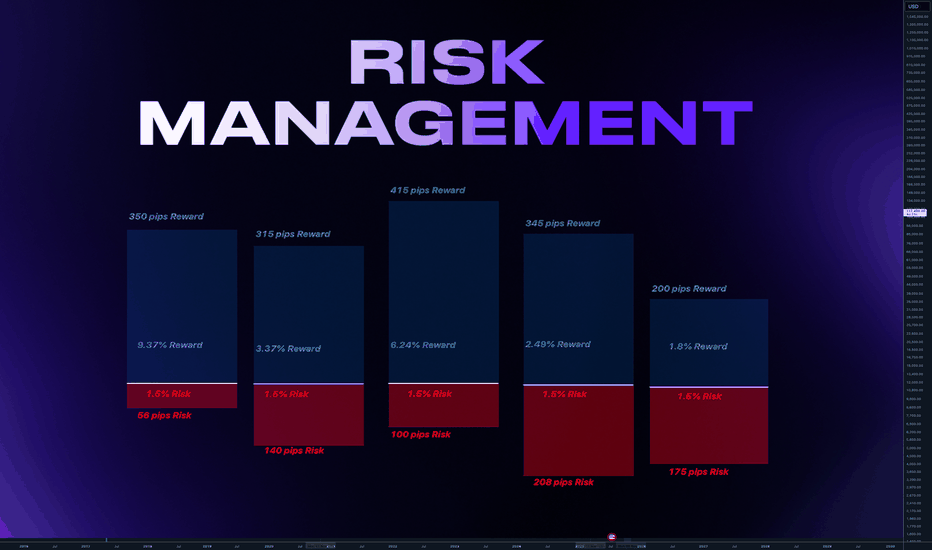
Every strategy on Zynex — trend, breakout, divergence — depends on trade management to survive losing streaks. Risk-reward ratio (RR) defines how much you stand to gain versus lose per trade. Professional traders think in R-multiples, not dollars.
Define 1R before entry
1R = distance from entry to stop in account risk terms. If you risk $50 and target $100, that is 2R. If stopped, you lose 1R. Consistency in R sizing matters more than picking perfect entries.
Minimum RR guidelines
| Style | Min RR | Notes |
|---|---|---|
| Scalping | 1:1 to 1:1.5 | High win rate needed |
| Day trading | 1:1.5 to 1:2 | Balance frequency and edge |
| Swing trading | 1:2 to 1:3 | Lower frequency, larger targets |
Partial profit rules
- At 1R: close 30–50% and move stop to breakeven
- At 2R: close another 30%; trail stop on remainder
- Never move stop away from market — only toward profit
Daily and weekly limits
- Daily max loss: 3R or 3% equity — stop trading
- Weekly max loss: 6R — review journal, reduce size
- Consecutive losses: after 3, halve size next session
Journal fields on Zynex
Log: instrument, setup type, planned RR, actual RR, session, emotion tag, screenshot. Review weekly. Drop setups with negative expectancy over 20+ samples.
Pair this framework with our risk management guide and account type suited to your volume.
Trade smarter with Zynex
Open a CFD account for forex, indices, commodities, and crypto — competitive spreads, fast execution, and pro charting tools.